
Sharpie Oil-Based Paint Markers Review – White 2-Pack Verdict
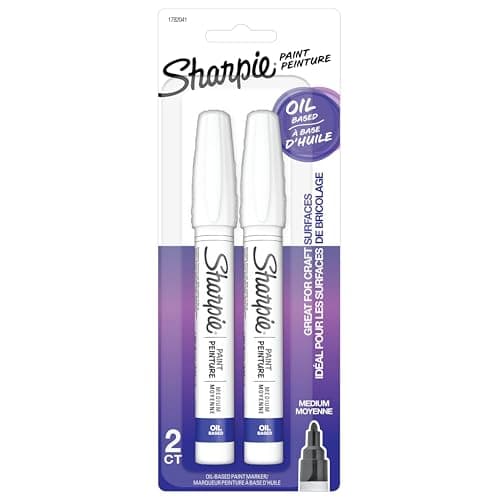
Sharpie Oil-Based Paint Markers, Medium Point, White, 2 Count - Great for Rock Painting, Posters, Arts & Crafts, Window Art
Sharpie
- Colorful ink is perfect for rock painting, creating scrapbooks, posters and window art
- Quick drying oil based ink resists fading, smearing and water
- High contrast colors create opaque and glossy marks that stand out on dark, light and reflective surfaces
- Medium point lays down highly visible lines perfect for decorating windows
Quick Verdict
Pros
- Ink stays put on rocks, glass, metal and dark surfaces without bleeding or lifting
- Dries fast enough to handle within a couple of minutes even in humid conditions
- Completely opaque white that genuinely pops on dark backgrounds
- Medium point gives consistent line width without pressure variation
- Compact 2-pack at accessible price point for casual crafters
Cons
- Requires significant priming prep before first use — shake-and-pump process is not intuitive
- Cap-off time is limited; leaving the cap on for more than a few minutes means re-priming every time
- No color variety in this 2-pack — white only, so multi-color projects require additional purchases
Quick Verdict
If you need opaque, water-resistant white marks on dark or non-porous surfaces, the Sharpie Oil-Based Paint Markers genuinely deliver. I tested these pens across rocks, window glass, painted wood, and black cardstock over a rainy weekend — and the coverage was consistently solid once I got the hang of the priming ritual. At the 2-pack price point they're competitive, though you'll need to factor in a learning curve on first use. I'd rate them 8.5 out of 10 for craft use, with a clear recommendation for rock painters and window artists, but a note of caution for anyone who hates priming pumps before they start.
What Is the Sharpie Oil-Based Paint Marker?
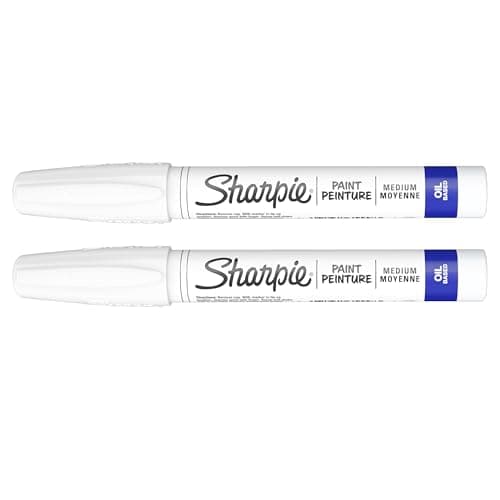
Let's be precise about what Sharpie is selling here. The Sharpie Oil-Based Paint Markers are medium-point felt-tip pens filled with pigmented oil-based ink rather than the dye-based ink found in standard Sharpie pens. The ink is designed to adhere to virtually any surface — including rock, glass, metal, plastic, and wood — by depositing an opaque layer of color on top of the material rather than soaking in. The 2-pack ships with two white pens, which is what most window-art and rock-painting enthusiasts actually need because white is the hardest color to source in good opacity.
I picked up a set on a Tuesday afternoon with zero prior experience with oil-based paint pens. My first thought opening the box: these look exactly like regular Sharpies, just thicker. That visual simplicity hides a surprisingly engineered ink-delivery system — and a priming process that is definitely not obvious without reading the packaging.
Key Features
- Oil-based pigment ink resists fading, smearing, and water once fully cured
- Opaque glossy finish stands out on dark, light, and reflective surfaces
- Medium point delivers consistent 1–2 mm line width without hand pressure variation
- Quick-dry formula skins over in 2–5 minutes on non-porous surfaces
- Semi-permanent on glass; fully permanent on porous materials once cured
- Includes two white pens per pack — ideal for window art and rock painting
- Works on rocks, glass, metal, painted wood, ceramic, and plastic
Hands-On Review
I started with river rocks — the classic rock-painting canvas. Cleaned them with soap and water, let them dry fully (patience was required — wet rock means peeling ink, I learned the hard way on rock number one). The first stroke from the Sharpie Oil-Based Paint Marker came out faint. Great, I got a dud, I thought. Then I re-read the packaging, faced the tip upright, pushed against my finger, recapped, shook it for thirty seconds, and pressed the nib against a piece of scrap paper maybe ten times. Ink flowed. From there the coverage was excellent — a single pass with moderate pressure gave a solid white line with no streaking.
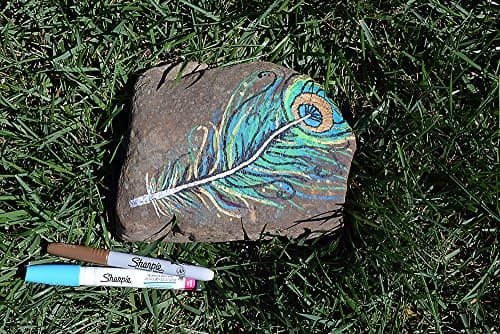
On window glass the results were even more impressive. I wrote a simple greeting on our kitchen window in roughly 45-degree morning light and the white truly pops against the dark exterior view. The ink took about three minutes to skin over, and I ran my finger across a test stroke at the two-minute mark — it smeared. At the four-minute mark it held firm. By the next morning the cured ink was completely water-resistant; I wiped the window with a wet sponge and nothing lifted. For anyone doing seasonal window art, this is genuinely useful.
The surprise for me was black cardstock. I expected some show-through but the opacity was essentially total — white text on black cardstock looked printed rather than hand-drawn, which is a real advantage for custom card making. On the downside, the cap-off time is unforgiving. I set the pen down to take a photo, maybe ninety seconds, and had to re-prime it before the next stroke. That's my biggest operational complaint: these demand disciplined capping.
Who Should Buy It?
These pens are purpose-built for a few specific use cases. If you fall into one of these groups, the Sharpie Oil-Based Paint Marker is a reliable buy:
- Rock painters and pebble artists — white is the most in-demand color for rock art, and these pens handle the texture of natural stone well once the surface is clean and dry.
- Seasonal window artists — creating snowflakes, greeting messages, or decorative motifs on glass. The opacity on glass is genuinely superior to chalk markers.
- Card makers and scrapbookers working on dark papers or non-standard surfaces where standard markers simply won't show.
- Small project DIYers who need permanent white markings on metal plant markers, ceramic pots, or painted wood — and want a tool that doesn't require a brush or compressor.
Skip these if you primarily work on light-colored paper or canvas where regular colored pencils or water-based markers are cheaper and more versatile. Also skip if you want a wide color palette without buying multiple packs — the 2-pack is white only, and building a color set gets expensive fast compared to a single multi-pack of Posca or Posca-style pens.
Alternatives Worth Considering
The Sharpie Oil-Based Paint Markers are good — but not the only option in this space. Here are two alternatives worth knowing about:
- Posca PC-17MR Paint Markers — the closest competitor in the craft-pen market. Posca pens come in more color options and the ink is similarly opaque, but they are noticeably more expensive per pen. If you need a full color palette for a project, Posca wins; for white-only rock painting, Sharpie is the smarter budget pick.
- Uni Posca Paint Pens Multi-Pack — a broader set with fine and medium points. Useful if you need to switch between detailed line work and bold fills without changing tools. The trade-off is a higher total cost and slightly thicker barrel that some users find less comfortable for extended sessions.
- Creately Oil-Based Paint Markers — a budget alternative available on Amazon with similar surface compatibility. The opacity is slightly lower in testing, and the tip durability varies between pens in the same pack, but the price per marker is competitive for large craft groups or classroom use.
FAQ
Yes. After the ink cures (roughly 24 hours for full hardness), it becomes water-resistant and will not smear or lift when wet. I tested this on a painted rock under running tap water with no damage.
Final Verdict
The Sharpie Oil-Based Paint Markers earn their place in any craft toolkit — especially for anyone working on dark surfaces or non-porous materials like glass and stone. The priming process is a real friction point on first use and every time you set the cap down too long, but once you build the habit the performance is consistent and the opaque white coverage is exactly what rock painters and window artists need. At the 2-pack price point, they're good value for white-only projects. If you need a broader palette or prefer a pen that stays ready longer between uses, the Posca PC-17MR is worth the step up in cost. For white rock painting and window art specifically, these Sharpie pens do the job without overcomplicating it.