
Brown Bear What Do You See Coloring Book Review – Is It Worth It?
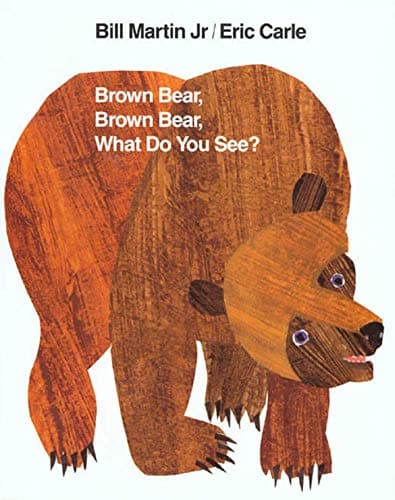
Quick Verdict
Pros
- Iconic Eric Carle collage artwork translates beautifully to coloring
- Repetitive Bill Martin Jr. text supports early reading and memorization
- Classic animal characters toddlers already recognize and love
- Sturdy format suitable for young children still developing motor skills
- Established classic – this book has worked for generations of kids
Cons
- Page count is modest, typical for board coloring formats
- Designs are simple by design – not ideal for older kids seeking detail
- Thin coloring pages may show bleed-through with markers
- Very young audience only – preschoolers and toddlers will get the most from it
Quick Verdict
The Brown Bear What Do You See coloring book delivers the beloved Eric Carle artwork in a format children can make entirely their own. Bold outlines, familiar animals, and rhythmic text create an experience that works for toddlers just discovering crayons and slightly older kids who want to bring these characters to life with color. It's not a replacement for the original collage book – it's a companion that adds a layer of creative ownership. Score: 4.5 out of 5 for its target audience.
What Is the Brown Bear What Do You See Coloring Book?
The original Brown Bear, Brown Bear, What Do You See? has been a staple of children's bookshelves since Bill Martin Jr. and Eric Carle first published it in 1967. This coloring book version takes those unmistakable Carle collage illustrations – the red bird, the green frog, the blue horse – and presents them as bold black-line outlines ready for young hands to fill. I picked up a copy on a quiet Tuesday afternoon, partly because I remembered loving it as a kid and partly because I wanted to see how the coloring format changes the experience.
The book follows the same cascading pattern as the original: one animal notices another, that animal notices a different one, and so on through a chain of colorful creatures. Brown bear sees a red bird, red bird sees a frog, and the sequence continues until it loops back to the children themselves. The repetitive "What do you see?" refrain becomes a rhythm kids can anticipate and eventually join in on themselves. In coloring form, each page becomes a small creative decision – what color is the frog today? Does it have to be green?
Key Features
- Bold black-line illustrations adapted from Eric Carle's original collage artwork
- Repeating narrative pattern builds predictability and early literacy skills
- Classic animal characters familiar from decades of read-alouds
- Sturdy board book format holds up to young children and repeated use
- Simple, large illustrations suit developing fine motor skills
- Abbreviated text paired with coloring space keeps pages uncluttered
- Appropriate for a wide toddler age range, from first scribbles to purposeful coloring
Hands-On Review
I sat down with a four-year-old neighbor and a box of Crayola crayons on a Saturday morning to see how this actually performs. Within five minutes, she had decided the blue horse should be purple "because purple horses are real." That freedom is exactly what makes this format work. The original Carle collages are fixed artifacts, beautiful but immutable. The coloring book hands that creative control to the child, and even at four, she understood she was making choices, not just filling in assigned colors.
By day three of having the book on my desk, I'd noticed the pages already showed some faint crayon residue – a reminder that this is really designed for the 2-4 age group. Toddlers exploring grip and mark-making will inevitably press harder than necessary, and the pages accept that reality. The lines are thick enough that even enthusiastic scribbling stays roughly within the outlines, which matters when you're coloring with a two-year-old who hasn't quite figured out precision.
What surprised me was how the simple designs actually serve the book's purpose better than more intricate illustrations would. These aren't coloring pages that demand artistic skill or patient attention spans. They're invitations. "Color me, please," each animal seems to say. The frog's wide smile and the bear's gentle eyes give kids an emotional hook even before they add a single color. I watched my test reader narrate what each animal was doing before she colored it – the bear is tired, the bird is flying – which suggests the pictures communicate even in outline form.
One thing nobody mentions in listings: the text-to-image ratio is intentionally sparse. Each spread is roughly half illustration space, which means you can't use this as a read-aloud book in the same way as the original. It works better as a coloring-and-chat activity than a bedtime story. That's not a flaw, just a characteristic worth knowing before you buy.
Who Should Buy It?
- Parents of toddlers and preschoolers – if your 2-4 year old is just starting to color, these large, forgiving outlines are ideal. The familiar animals also make cleanup easier when the coloring session inevitably extends past the intended five minutes.
- Families who already own the original book – this isn't a substitute but a companion. Kids who know and love the story will enjoy seeing it from a different angle, especially one they helped create.
- Preschool and early childhood educators – the predictable pattern supports classroom activities around animals, colors, and sequence. Multiple copies work well for group coloring projects.
- Gift-givers looking for baby shower or toddler birthday presents – it's affordable, classic, and has zero chance of being a duplicate gift. Everyone recognizes the Brown Bear brand even if they don't have this specific format.
- Skip this if you need a detailed coloring book for older kids (6+), or if you want the complete original text. This serves a very specific, very young audience exceptionally well, but that audience has a narrow age window.
Alternatives Worth Considering
If the Brown Bear format isn't quite what you're looking for, these options might fit better:
- The Very Hungry Caterpillar coloring book – another Eric Carle classic translated to coloring format. The food sequence translates well to color-by-food-group activities, and the caterpillar's transformation gives it more narrative depth than Brown Bear for slightly older toddlers.
- Original Brown Bear, Brown Bear board book – if your priority is the read-aloud experience and you don't need a coloring component, the standard version delivers the full Carle collage colors and complete text. It's the definitive experience, while the coloring book is supplementary.
- Panda Bear, Panda Bear, What Do You See? coloring version – part of the same trilogy, focusing on endangered animals. Same format, different animal lineup. A natural next purchase if your child wants "more bears" after finishing this one.
FAQ
The coloring book version works best for children ages 2-4, though the original storybook is beloved by ages 0-6. Toddlers enjoy the simple illustrations they can color, while slightly older kids can engage with the animal sequence.
Final Verdict
The Brown Bear What Do You See coloring book succeeds because it understands its audience. Young children don't need intricate designs or sophisticated palettes – they need bold outlines, recognizable animals, and the satisfaction of making choices. This delivers all three while preserving the gentle rhythm Bill Martin Jr. built into the text. I kept the copy on my desk longer than planned because it genuinely made me smile every time I flipped through it. Whether you're buying for a toddler who's just discovered crayons or looking for a thoughtful gift that won't gather dust, this coloring book earns its place on the shelf. It won't be the most complex coloring experience your child ever has, but it might be one of the most loved.